Explore how Indian basmati and non-basmati rice moves from paddy to finished product. Al Hamra Shaheen Exports helps international buyers discuss processing preferences, grain specifications, bulk packaging and export enquiries.
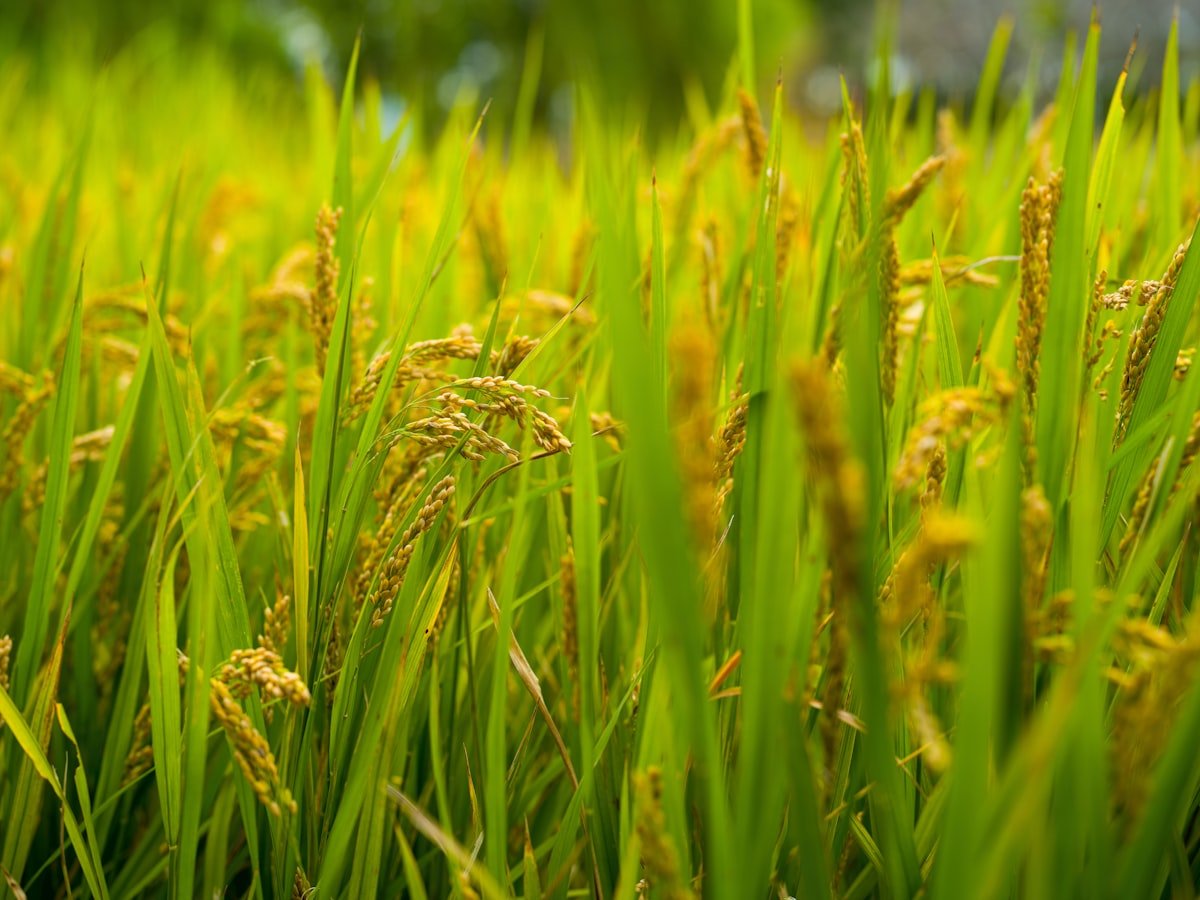
Illustrative field photograph · Declan Sun / Unsplash
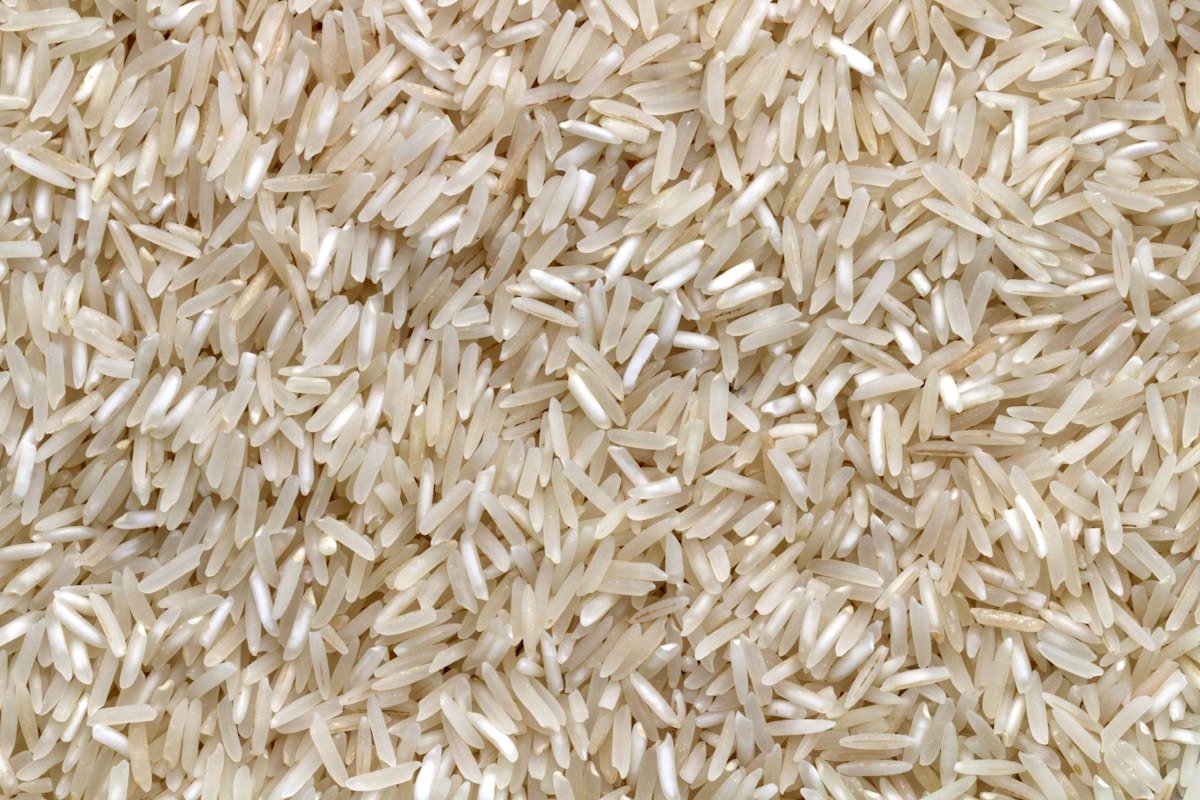
Illustrative rice photograph · Pierre Bamin / Unsplash
Rice Milling for Market-Specific Requirements
Rice processing connects raw-material selection with the characteristics buyers expect from the finished grain. Different varieties and processing methods suit different cooking preferences, retail ranges and distribution channels.
Basmati options such as 1121, 1718, 1509, 1401 and Pusa can be discussed alongside non-basmati rice. Specify your preferred processing method, grain requirements and packaging so that available options can be reviewed.
This page explains a typical processing journey. Facility location, machinery brands, production capacity and specific quality programmes should be confirmed with supporting information for the proposed supply.
Rice Milling Process in Modern Mills
The journey begins with prepared paddy. Dehusking removes the outer husk, producing brown rice. A paddy separator separates remaining unhusked grains before subsequent processing.
For white rice, milling removes bran layers, followed by polishing, sorting and grading as required. Parboiled products follow a different preparation route before milling. The selected variety and buyer specification influence the finished product.
Confirm the required grain characteristics, broken percentage and other relevant parameters before ordering. A clear specification makes product comparisons and quotation discussions more useful.
Illustrative rice photograph · Pierre Bamin / Unsplash
Illustrative rice photograph · Pierre Bamin / Unsplash
Step-by-Step Rice Processing
Seven key stages help explain a typical multi-stage rice line. Actual equipment layout and operating sequence vary; cleaning, drying or parboiling may also be required depending on the product.
The outer husk is removed from paddy to obtain brown rice. Careful operation helps limit grain damage during this stage.
Step 02
Paddy Separation
Remaining unhusked paddy is separated from brown rice and can be returned for further husking before milling continues.
Step 03
Destoning
Destoning removes stones and heavier foreign material using differences in density. Its position in the line can vary with the processing system.
Step 04
Milling & Polishing
Milling removes bran layers to produce white rice. Polishing refines the surface finish according to the required product specification.
Step 05
Colour Sorting
Optical sorting identifies and removes selected discoloured grains and visible defects, helping improve the consistency of the finished batch.
Step 06
Grading
Rice is separated by grain size and broken-grain content to prepare the product against the agreed grade and buyer requirements.
Step 07
Packaging
Finished rice is weighed and packed in the confirmed format. Bag material, pack size, labelling and handling requirements are agreed for the order.
Packaging for Bulk & Retail Buyers
Packaging should reflect how rice will be transported, stored and sold. Discuss bulk bags, retail pack sizes, preferred materials and private-label artwork with our team.
Share the pack format, printed information and destination-market requirements early. Packaging availability, minimum quantities, artwork approval and associated costs must be confirmed before production or dispatch arrangements are agreed.
Appropriate storage helps protect rice between processing and shipment. Buyers should discuss moisture management, handling, stock rotation and packaging protection as part of their procurement planning.
Storage arrangements and shipment timing depend on the confirmed supply. Ask our team for order-specific information rather than assuming capacity, stock availability or delivery dates from general descriptions.
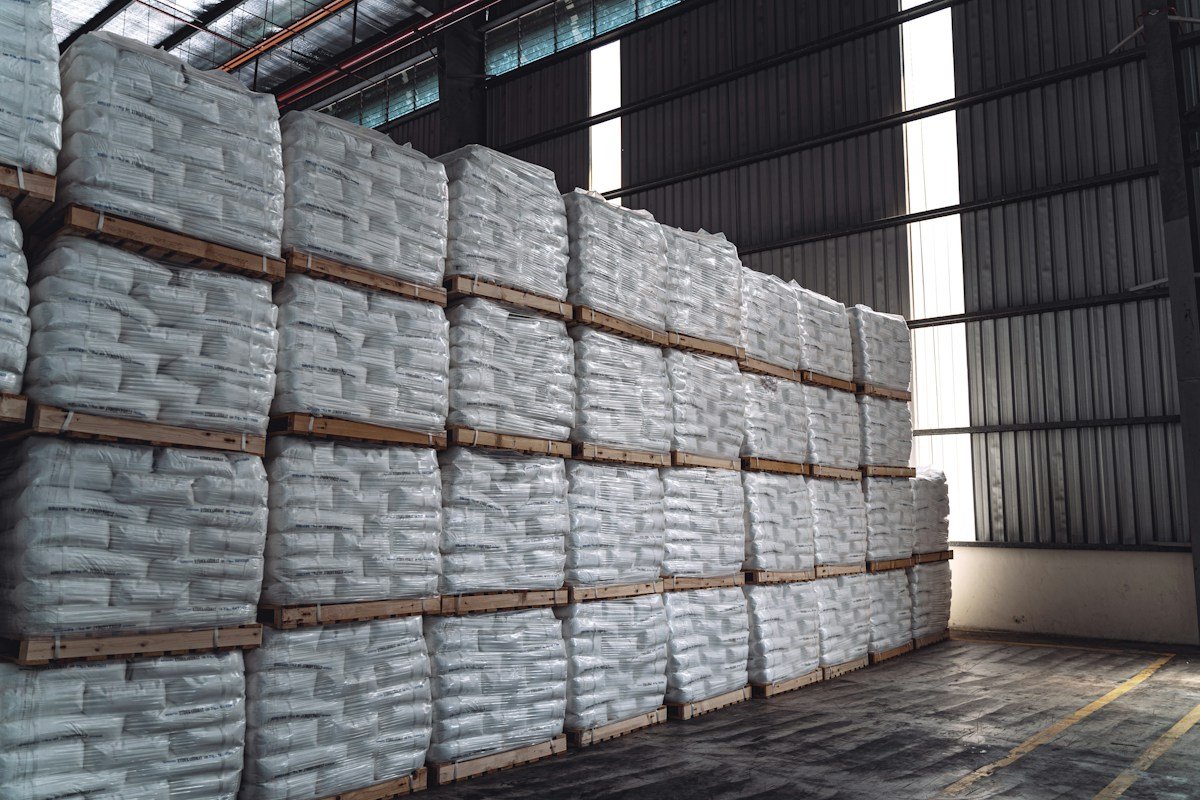
The photograph is an illustrative stock warehouse image, not a photograph of an Al Hamra facility.
Quality Requirements & Export Documentation
Quality discussions begin with a written specification. Confirm the variety, processing method, grain characteristics, packaging and any required inspection or documentation for your destination.
Ask about available samples, product information and applicable certification documents. Food-safety certification, business registration and product specifications serve different purposes; confirm the relevant document scope and validity for your order.
Illustrative field photograph · Declan Sun / Unsplash
Illustrative rice photograph · Pierre Bamin / Unsplash
Rice manufacturers convert paddy into finished rice through stages such as husking, milling, sorting, grading and packing. Processing routes differ for raw, steam and parboiled products.
A typical multi-stage line separates husk and remaining paddy, removes bran through milling, and sorts and grades the finished rice. Equipment configuration varies between facilities.
Share your variety, processing method, grain characteristics and required parameters. Ask our team about available product information, samples and supporting documentation, then confirm specifications in the order.
Relevant documents help buyers review food-safety and destination-market requirements. Confirm the applicable standard, document validity and scope for the product and facility involved; registration alone is not a product-quality guarantee.
Yes—share your brand artwork, pack size, material, quantity and destination. Availability, minimum quantities and costs need confirmation in a buyer-specific quotation.
Use the enquiry page and include the preferred rice variety, processing method, specifications, quantity, packaging and destination country or port.
Looking for Indian Rice for Your Market?
Share your variety, processing method, quantity, packaging and destination with Al Hamra Shaheen Exports. Request a buyer-specific quotation with confirmed product details, commercial terms and shipment arrangements.